In conditions of unstable electricity supply, which has become commonplace for many households, portable charging stations EcoFlow have become a real lifeline. These devices have long gone beyond their original function — charging gadgets — and have become a reliable power source for critical systems such as gas boilers.<\u002Fp>\r\n
In this article, we will take a detailed look at how to properly connect a gas boiler to the EcoFlow charging station to ensure the stable operation of the circulation pump. At first glance, this seems like a fairly simple task, but in practice, many users face the fact that boilers or pumps refuse to work when connected to an alternative power source.<\u002Fp>\r\n
To successfully tackle the task, you will need basic tools that are found in almost every home: a screwdriver, a tester, a reliable extension cord, and a little patience. By following the instructions, you will be able to set up the system in less than half an hour. As a result, your boiler and pump will work as if they are connected to a regular network.<\u002Fp>\r\n
However, it is important to remember the main principle — safety comes first! If you have no experience working with electrical appliances, measuring instruments, or wiring, it is better to entrust this to a qualified specialist. After all, even a minor mistake can lead to serious consequences: the failure of expensive equipment or, worse, injuries.<\u002Fp>\r\n
This article will help you step by step understand the nuances of connecting EcoFlow to a gas boiler, identify possible errors, and find optimal solutions for their elimination. Ready? Then let's get started!<\u002Fp>\r\n
Is the charging station suitable for operating a gas boiler?<\u002Fp>\r\n
Portable power stations EcoFlow have gained popularity due to their efficiency and versatility. They can provide power for various devices, including critical systems such as gas boilers. EcoFlow combines high battery capacity, a modern inverter, and fast charging functionality.<\u002Fp>\r\n
The main advantages of EcoFlow for gas boilers:<\u002Fp>\r\n
- \r\n
- Stable power supply: The inverter provides clean sine wave voltage necessary for the proper operation of the boiler.<\u002Fp>\r\n
- Autonomy: EcoFlow can operate for a long time without recharging, depending on the power of the boiler.<\u002Fp>\r\n
- Versatility in charging: The station can be charged from the grid, solar panels, or a car.<\u002Fp>\r\n
- UPS function: Automatic switching to battery power during power outages.<\u002Fp>\r\n<\u002ful>\r\n
These advantages make EcoFlow a reliable solution for ensuring the operation of gas boilers in any conditions. However, the question of the compatibility of the EcoFlow charging station with the gas boiler is one of the most common among users. Although EcoFlow is designed to work with a wide range of devices, not all gas boilers work correctly right away. The reason lies in the requirements for voltage stability and the features of the boiler's electronic control systems.<\u002Fp>\r\n
Power features of a gas boiler<\u002fp>\r\n
Most modern boilers have a minimum power consumption of about 50 – 150 W. However, during the start or operation of the circulation pump, peak loads may occur. If EcoFlow does not provide sufficient power or stable sine wave voltage, the boiler may display an error or even refuse to operate.<\u002Fp>\r\n
EcoFlow models Delta or River Pro are the best suited, as they provide the necessary power and clean sine wave. However, always check the specifications of the boiler and the charging station before connecting.<\u002Fp>\r\n
Additionally, it is important to consider that some boilers require grounding for proper operation. The absence of grounding can lead to errors or even damage to the electronics.<\u002Fp>\r\n
Why might the boiler display an error?<\u002fp>\r\n
In practice, users often encounter the situation where, after connecting the gas boiler to EcoFlow, errors appear on the display and the boiler refuses to operate. This can be frustrating, but there is almost always a logical explanation.<\u002Fp>\r\n
The main reasons for errors:<\u002fp>\r\n
- \r\n
- Incorrect sine wave voltage.<\u002fstrong> Some gas boilers are very sensitive to the shape of the voltage. If the charging station does not provide a clean sine wave, the boiler may not start.<\u002fp>\r\n
- Absence of grounding. <\u002fstrong>Most boilers require grounding for proper operation.<\u002fp>\r\n
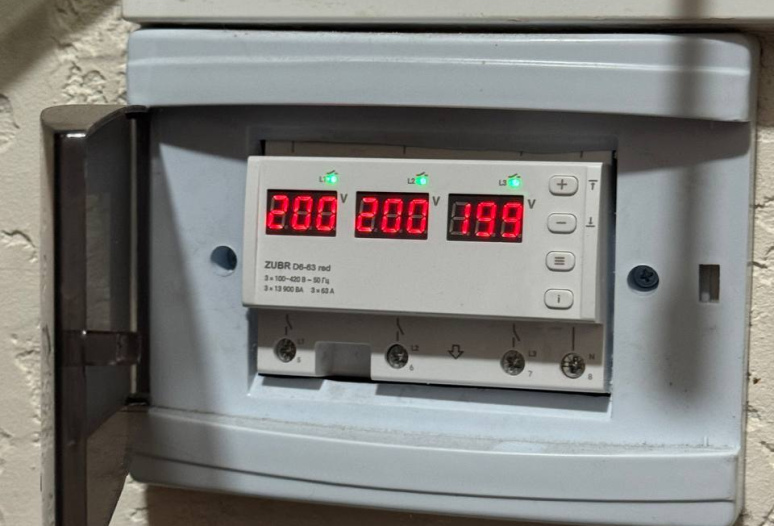
- Power interruption. <\u002fstrong>Even a brief drop or surge in voltage can lead to failures.<\u002fp>\r\n
- Peak load.<\u002fstrong> When starting the pump, a brief power surge may occur, which EcoFlow cannot handle.<\u002fp>\r\n<\u002ful>\r\n
To eliminate these problems, you should check the stability of the voltage at the output of EcoFlow, ensure proper grounding, and if necessary, use a voltage stabilizer or adapter to reduce the boiler's sensitivity to fluctuations.<\u002fp>\r\n
Looking for a solution: making an adapter<\u002fp>\r\n
Sometimes the standard connection of a gas boiler to EcoFlow does not yield the desired result, and additional solutions need to be resorted to. One of them is to make or adapt a special adapter.<\u002fp>\r\n
Why is an adapter needed?<\u002fstrong><\u002fp>\r\n
The adapter helps solve problems with connector incompatibility, lack of grounding, or signal instability. This is especially relevant for older models of boilers or those that have specific connection requirements.<\u002fp>\r\n
The process of making an adapter includes the following steps:<\u002fp>\r\n
- \r\n
- Choose a quality extension cord and wire tools.<\u002fp>\r\n
- Securely connect the wires in the plug and connect them to EcoFlow.<\u002fp>\r\n
- Use a tester to check the stability of the voltage at the output.<\u002fp>\r\n<\u002fol>\r\n
This method requires skills in working with electrical appliances, so if you are not confident in your abilities, it is better to consult a qualified specialist.<\u002fp>\r\n
Connecting EcoFlow to a gas boiler <\u002fp>\r\n
When all the preparatory work is completed, you can move on to the main stage — connecting EcoFlow to the gas boiler. The connection process includes several steps:<\u002fp>\r\n
- \r\n
- Connect the boiler plug to the AC output of the EcoFlow charging station.<\u002fp>\r\n
- Turn on the station and ensure that the voltage is stable.<\u002fp>\r\n
- Turn on the gas boiler and monitor its operation.<\u002fp>\r\n<\u002fol>\r\n
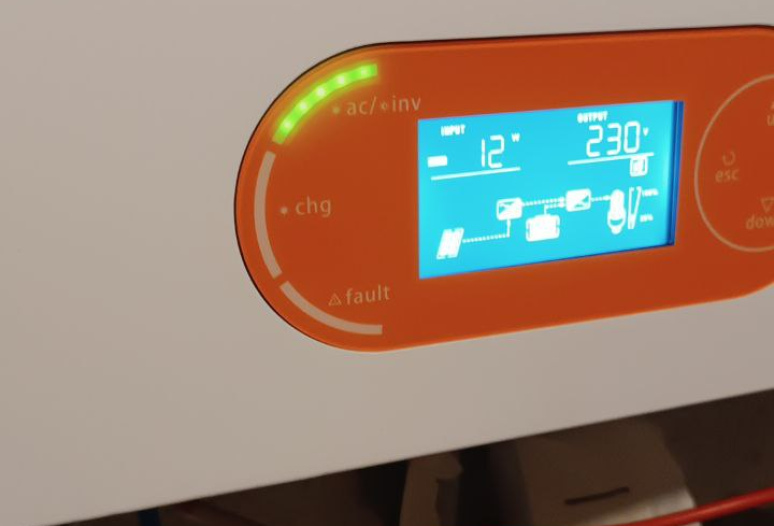
The EcoFlow charging station is convenient in that all key parameters are displayed on the screen: voltage, current, and charge level. This allows you to monitor the situation in real time.<\u002fp>\r\n
Testing the connection<\u002fp>\r\n
Testing is an important step before the full operation of the system. Start the boiler and check:<\u002fp>\r\n
- \r\n
- Is the pump operating without failures?<\u002fp>\r\n
- Is the temperature in the system stable?<\u002fp>\r\n
- Are there any errors on the boiler display?<\u002fp>\r\n<\u002ful>\r\n
Testing should be conducted for several hours to ensure the stability of the system's operation.<\u002fp>\r\n
Important tips<\u002fp>\r\n
- \r\n
- If you are not confident in your skills, consult professionals.<\u002fp>\r\n
- Regularly check cables and connections.<\u002fp>\r\n
- Avoid overloading EcoFlow with additional devices.<\u002fp>\r\n
- Use UPS mode for automatic switching to battery power.<\u002fp>\r\n<\u002fol>\r\n
EcoFlow is a reliable and effective solution for operating a gas boiler in challenging conditions. Follow the instructions, test the system, and enjoy stable warmth in your home!<\u002fp>
- Absence of grounding. <\u002fstrong>Most boilers require grounding for proper operation.<\u002fp>\r\n
- Incorrect sine wave voltage.<\u002fstrong> Some gas boilers are very sensitive to the shape of the voltage. If the charging station does not provide a clean sine wave, the boiler may not start.<\u002fp>\r\n